


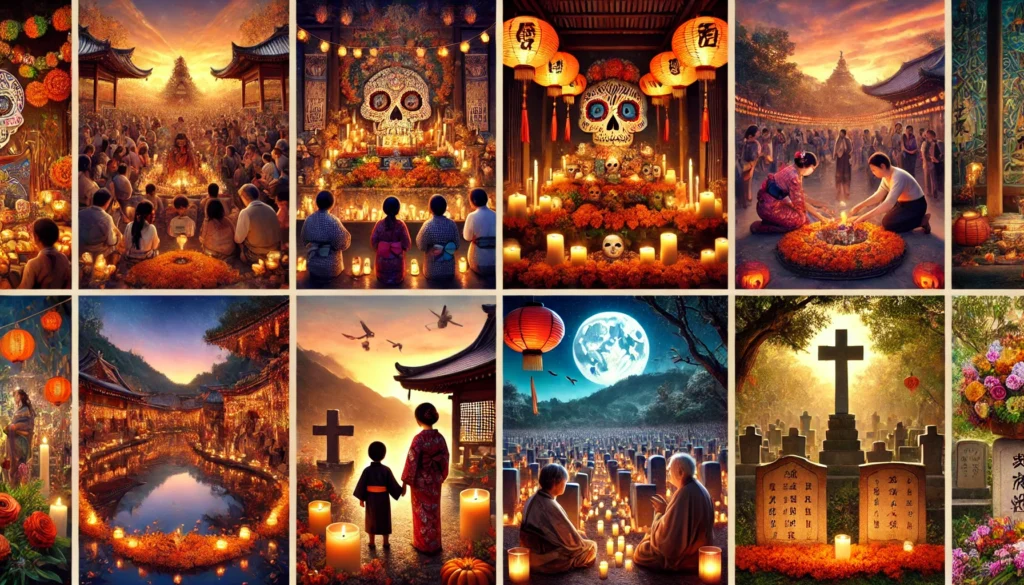
Mourning is a universal experience, but the ways of honoring and remembering those who are no longer with us vary significantly by culture. Society has developed rituals and traditions that reflect its history, beliefs and values, and, through these acts of remembrance, seek to offer comfort to the living and respect to those who have departed. In this article we will explore some of these practices around the world and how they help the bereaved find peace and meaning in mourning.
1. Day of the Dead in Mexico: A colorful celebration of life gone by
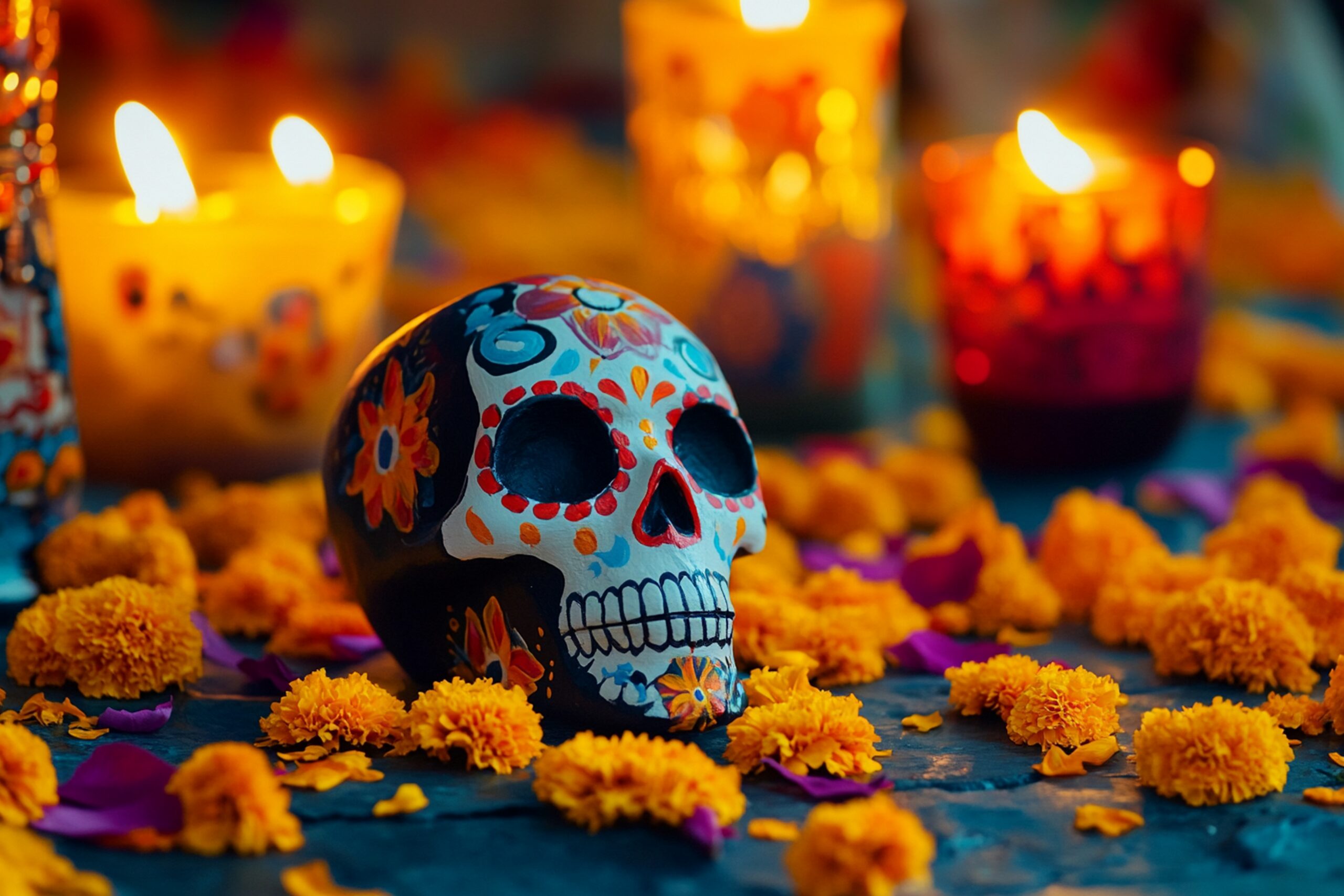
In Mexico, the Day of the Dead is one of the most recognized traditions of mourning and remembrance. Celebrated between November 1 and 2, this holiday honors deceased loved ones through altars decorated with photographs, candles, cempasúchil flowers and food. It is believed that during these days, the spirits return to be close to their relatives, who receive them with joy, providing a positive and festive approach to death and remembrance. It is an occasion that allows families to remember their loved ones in a tangible way, celebrating their legacy and their lives.
2. Native American Totem Poles: Memorials to remember ancestors
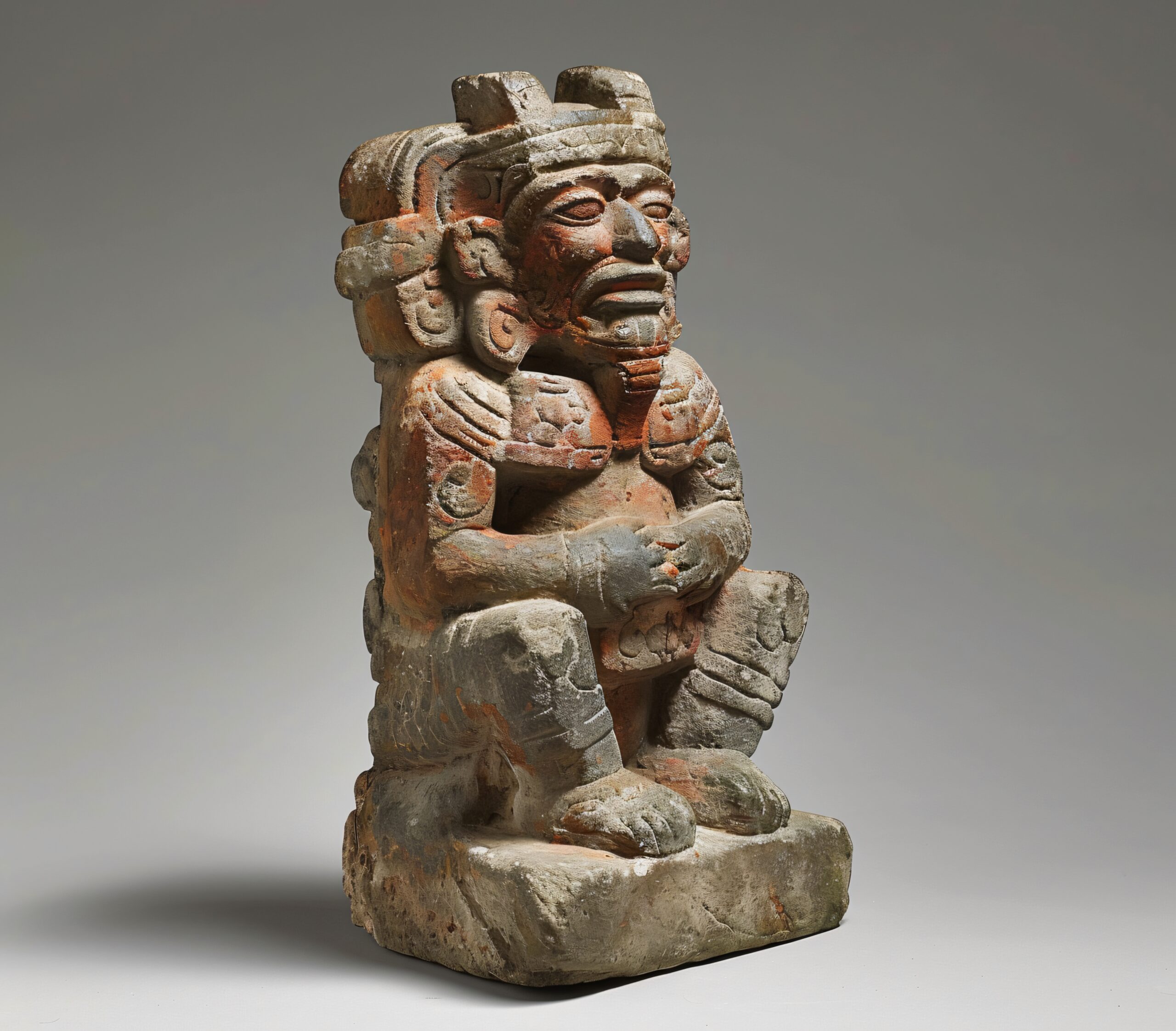
Among many Native American tribes in the northwestern United States and Canada, totem poles are not only cultural symbols, but also memorials to ancestors and important people in the community. Totem poles are carved with figures and symbols that represent the deceased, honoring their accomplishments and the impact they had on their group. Through these sculptures, family members and the community can remember and continue to share the stories of those who are gone.
3. Obon in Japan: The gathering of ancestral spirits
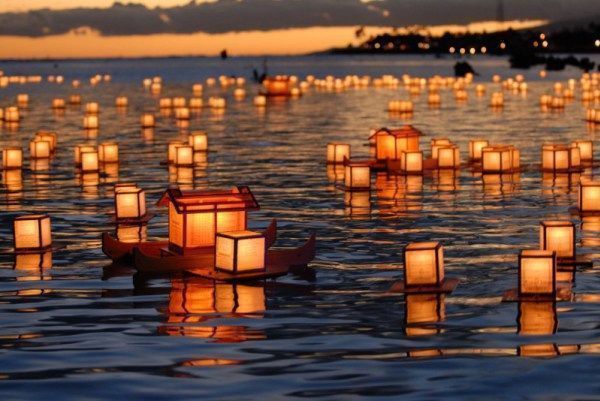
In Japan, the Obon festival is celebrated in mid-August and represents a time when the spirits of ancestors are believed to return to the earthly world. During Obon, families visit the graves of their loved ones, clean and decorate tombstones, and perform rituals at home to welcome their ancestors. Lanterns are lit and placed in water in an event called "Toro Nagashi," which guides the spirits back to the afterlife. This tradition allows Japanese families to connect deeply with their family history and keep the memory of their ancestors alive.
4. Velorio and Novenario in Latin America: Prayer and company for rest.
In many Latin American cultures, the wake and novenario are very significant traditions in the mourning process. During the wake, friends and family gather to say goodbye to the deceased and to accompany the family with prayers and words of comfort. The novenario, which consists of praying for nine days after the death, seeks to bring peace to the person's soul and comfort to family members. These traditions allow loved ones to feel the support of the community and maintain a symbolic and spiritual bond with those who are no longer with them.
5. Rituals of remembrance in Madagascar: The Famadihana, or the "flight of the bones".
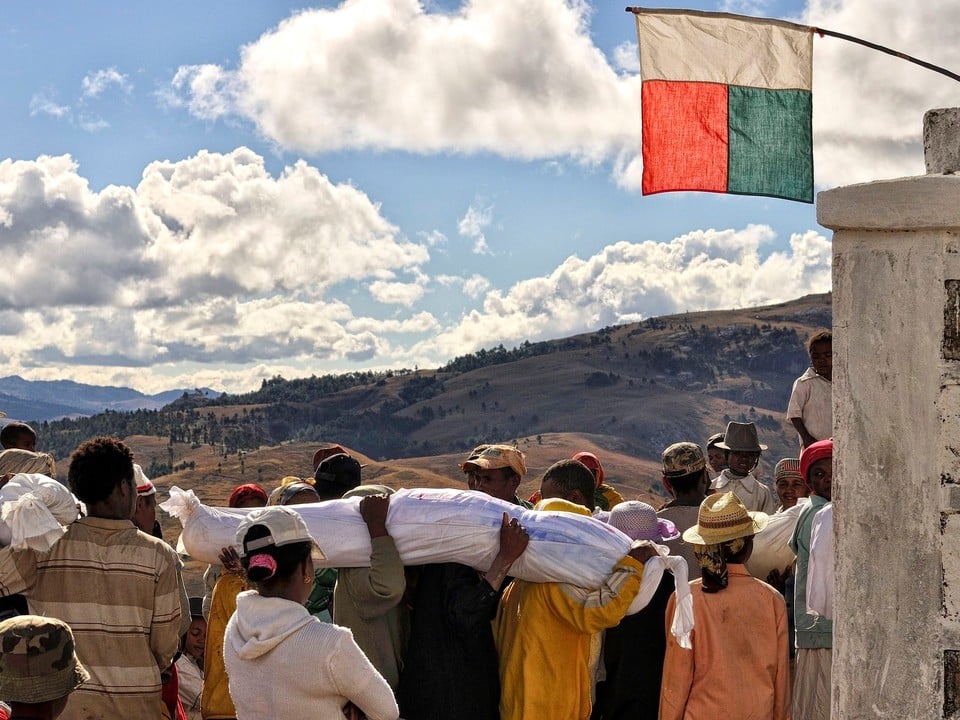
In Madagascar, the ceremony called Famadihana is one of the most amazing mourning practices. This ritual, known as the "flight of the bones," consists of exhuming the deceased every few years, wrapping them in new cloth and celebrating with music, dance and food. Relatives believe that this act shows respect and love, allowing them to maintain contact with their ancestors and pass on their stories to new generations.
6. Shiva in Judaism: A Week of Shared Mourning
In the Jewish tradition, Shiva is the period of mourning observed during the first seven days after the death of a close family member. During this time, the family gathers at home, where they receive friends and relatives who offer their condolences and accompany them in their grief. This period allows the family to mourn and remember their loved one in an atmosphere of support and community connection. In addition, daily rituals help mourners find comfort and honor the life of the deceased.
The importance of honoring and remembering loved ones in each culture
Throughout these traditions, though varied, we find a common denominator: the desire to remember and honor loved ones in a tangible way. These rituals help those who are grieving to process their grief, provide a sense of belonging and allow them to connect with their history and legacy. At Remember meWe understand the importance of creating a physical and emotional bond with those who are gone, so our personalized teddy bears are a way to honor and remember loved ones in a hug that will always be there, offering comfort and support in the grieving process.
